
Blog post written by:
Minna M. Keinänen-Toivola
Satakunta University of Applied Sciences, COST DAMOCLES WG2 leader
During the Corona time, business travel has been scarce. My third business trip in a year was to Lisbon, Portugal, for the final meetings and conference of the COST DAMOCLES project. The previous annual meeting of COST DAMOCLES took place in Leipzig.
The trip to Lisbon was a long one. I noticed the practically corona-era has declined connections from the Satakunta to the world. My train left Pori railway station on 4th September 2022 at 10 am and I had to wait for my flight at Helsinki-Vantaa airport for about five hours. I arrived at my hotel in the center of Lisbon at 01.10 Finnish time.
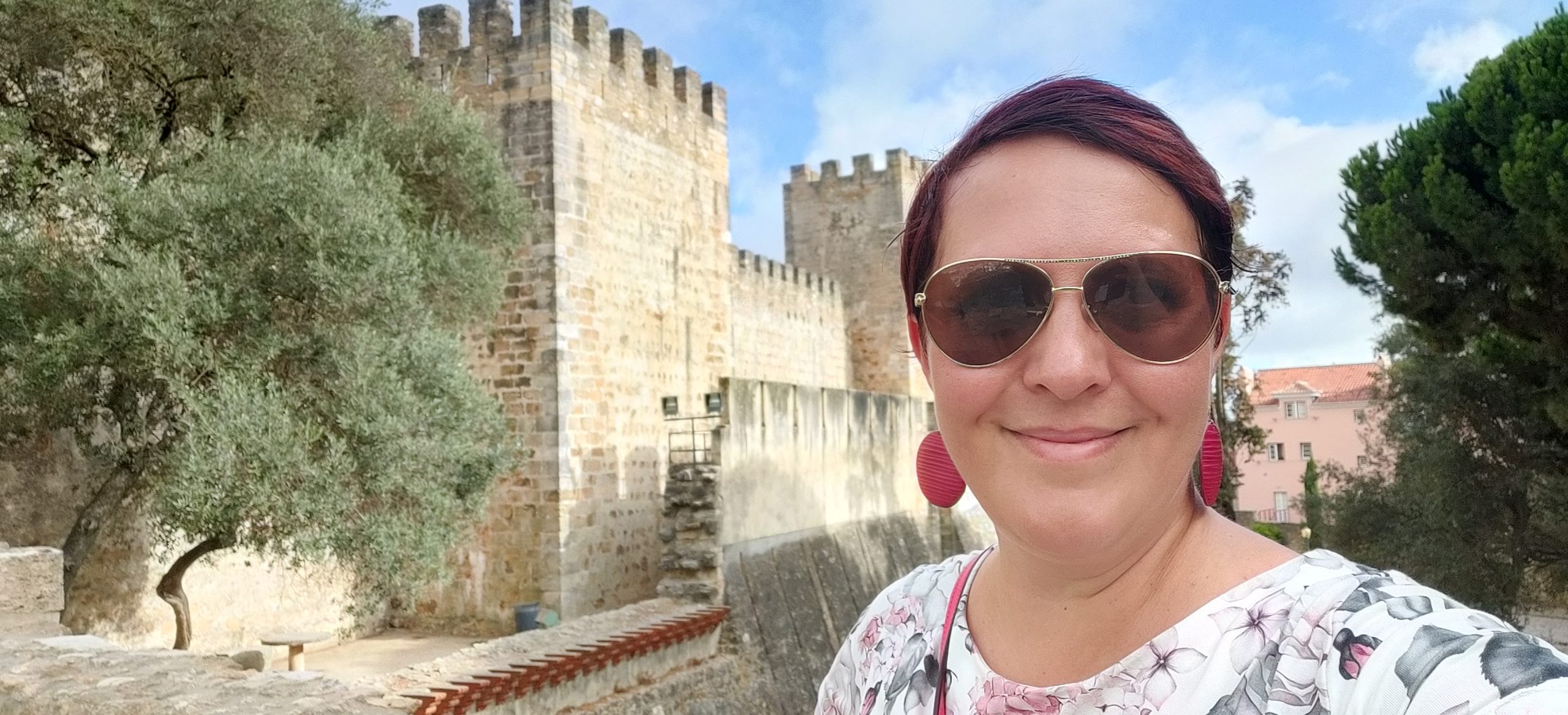
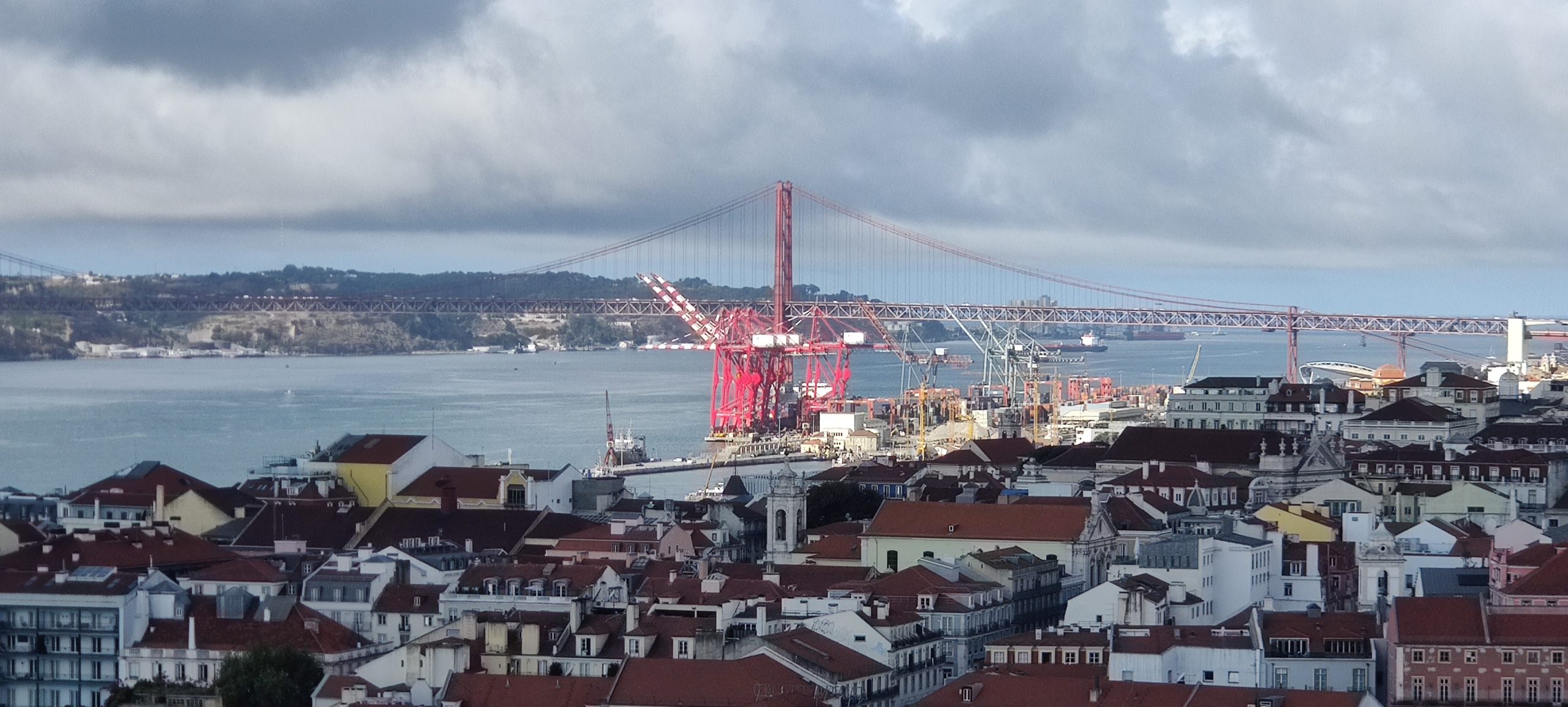
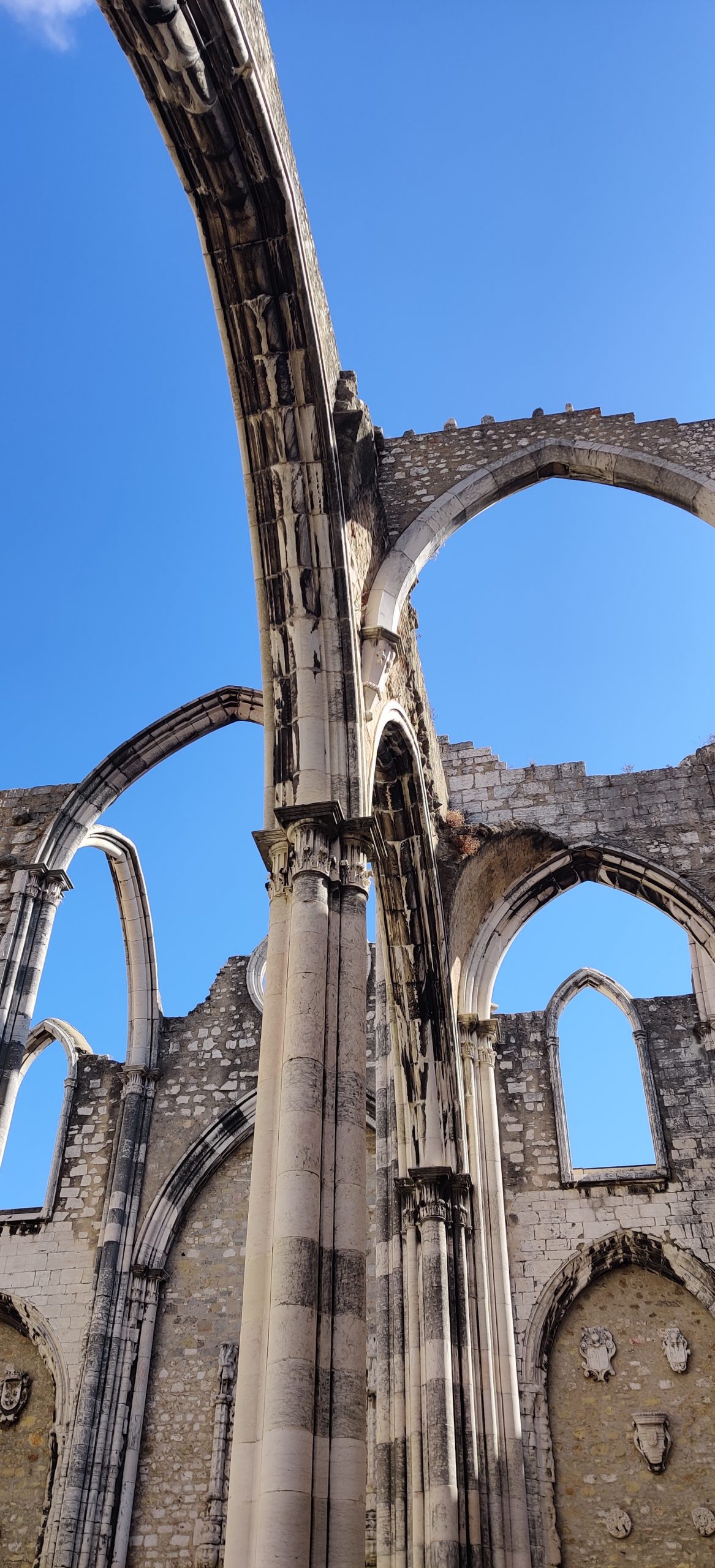
Monday morning dawned sunny and warm. In the morning I worked at the hotel. I set off for the day’s meetings a little earlier to have time to explore the city. I visited the Castelo de S. Jorge Castle, which has been inhabited by humans 2700 years ago. The castle also served as a royal castle for several hundred years. My second stop was the Carmo Convent, a former Catholic monastery and now an archaeological museum. The convent’s Gothic church was destroyed in the 1755 earthquake and the ruins remain.
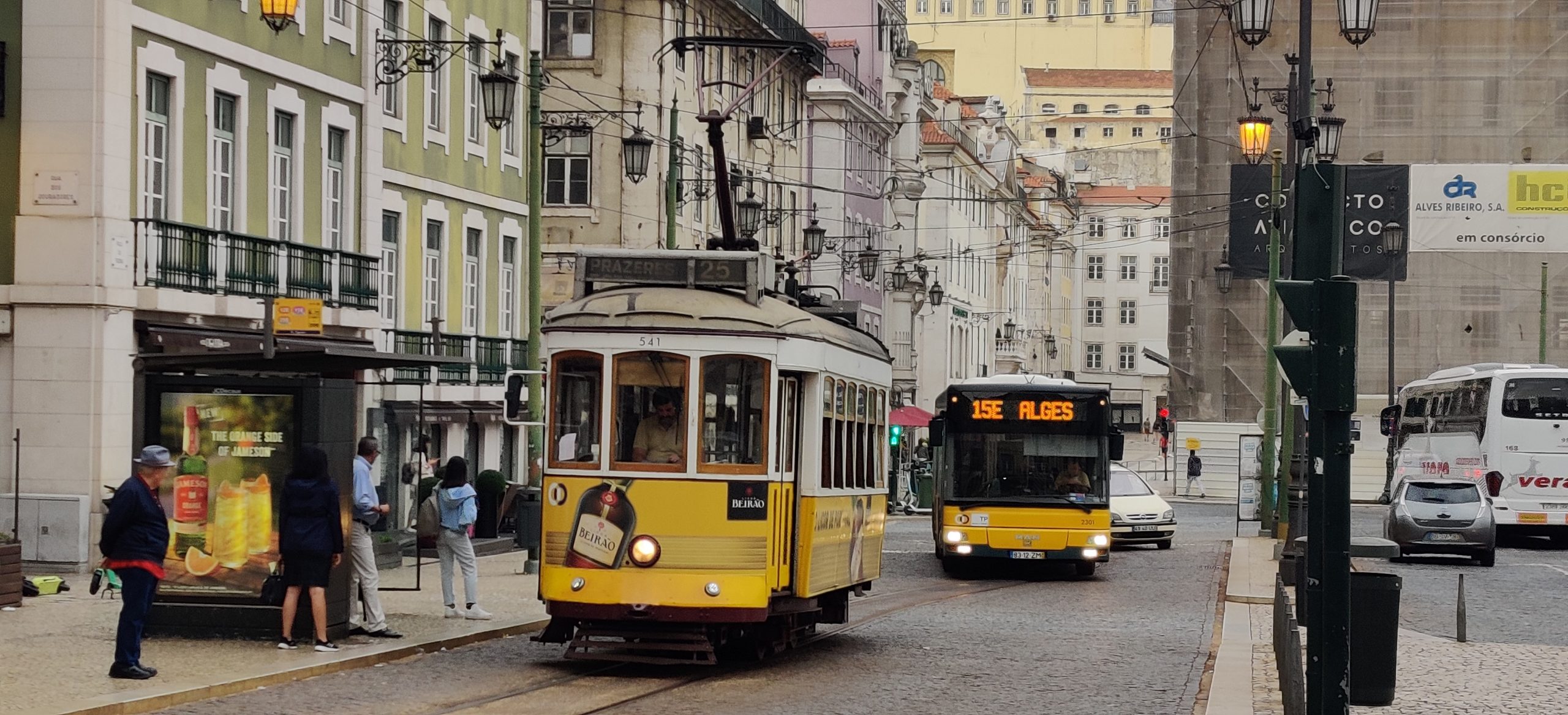
The Lisbon metropolis is served by public transport. I had already seen the funicular and the tram in the morning, but during the week I didn’t get to use them. I took the metro to Monday’s core group meeting. My everyday means of transport are car, bicycle and pedal-power.
The core group meeting started with lunch at an Italian restaurant and continued at the Faculty of Sciences of the University of Lisbon. The Core Group reviewed the status of the project in the different work packages and made a plan for the end of the project. The meeting negotiated collaboration with Dr. Nina Ridder, from Australia (ARC Centre of Excellence for Climate Extremes) and Dr. Kai Kornhuber, leader of the RISK-KAN network (https://www.risk-kan.org/). COST DAMOCLES has been granted a six-month extension (until the end of March 2023) due to the Covid-19 slowing down joint activities. The second meeting was the management committee meeting, where Jakob Zscheischler, PhD, COST DAMOCLES leader, reported that DAMOCLES has achieved its objectives, but the interest rate has hampered stakeholder engagement.
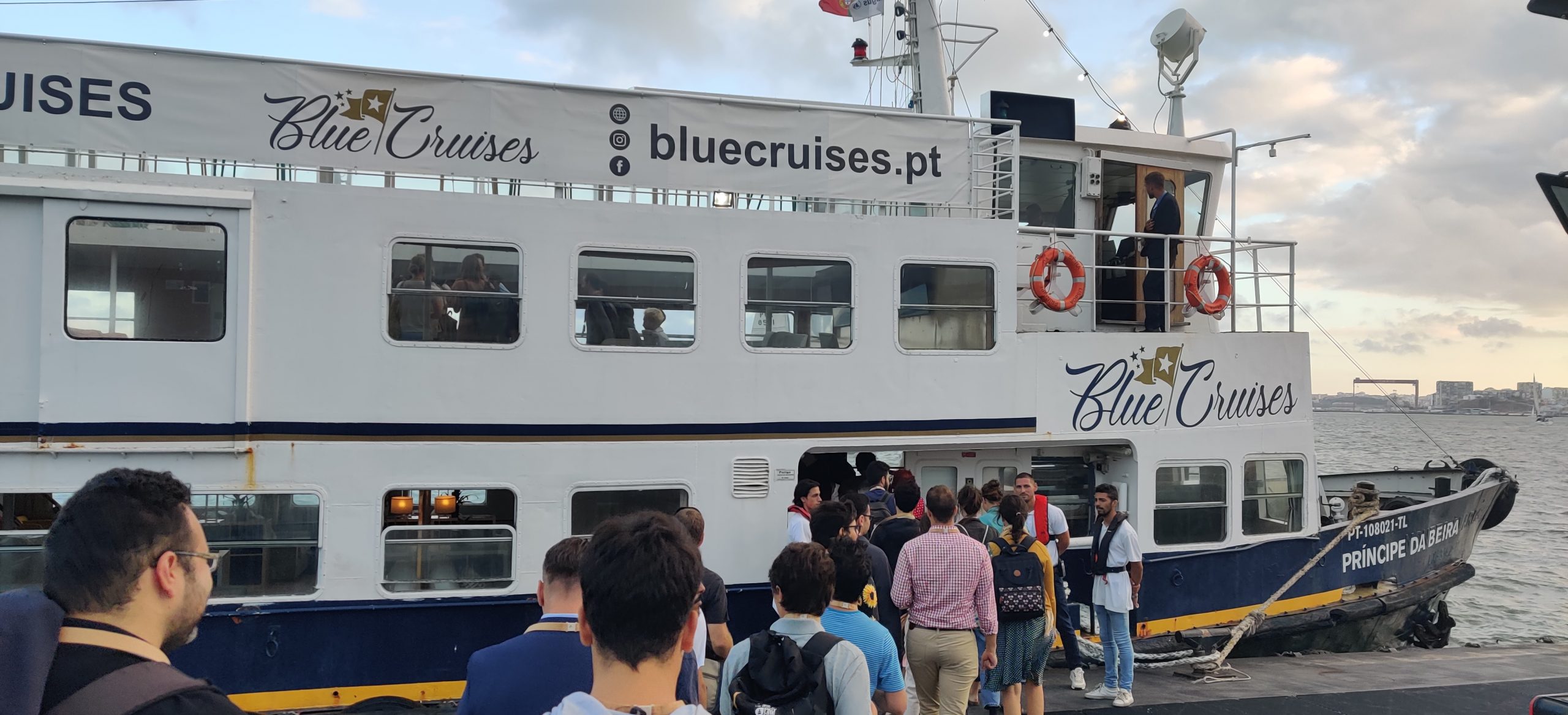
On Monday evening, the conference proper started with an ice-breaker, a river cruise on the Tagus. During the river cruise, I discussed the experience of a Portuguese professor as a counter-projectionist at the University of Oulu. I also discussed with a Greek and an Irish participant the different approaches of our cultures. In COST (European Cooperation in Science & Technology) projects, common research questions are important, but also networking and getting to know people from different countries.
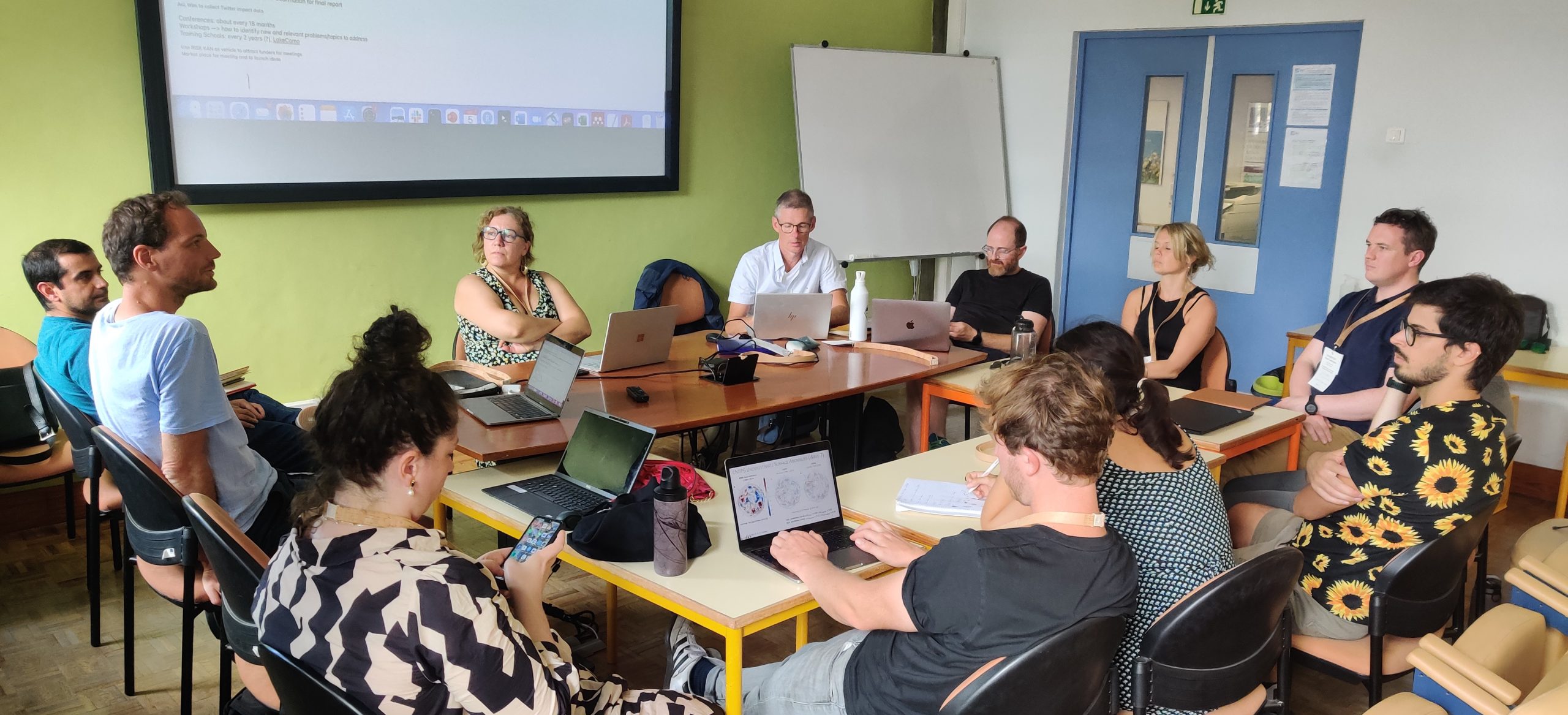
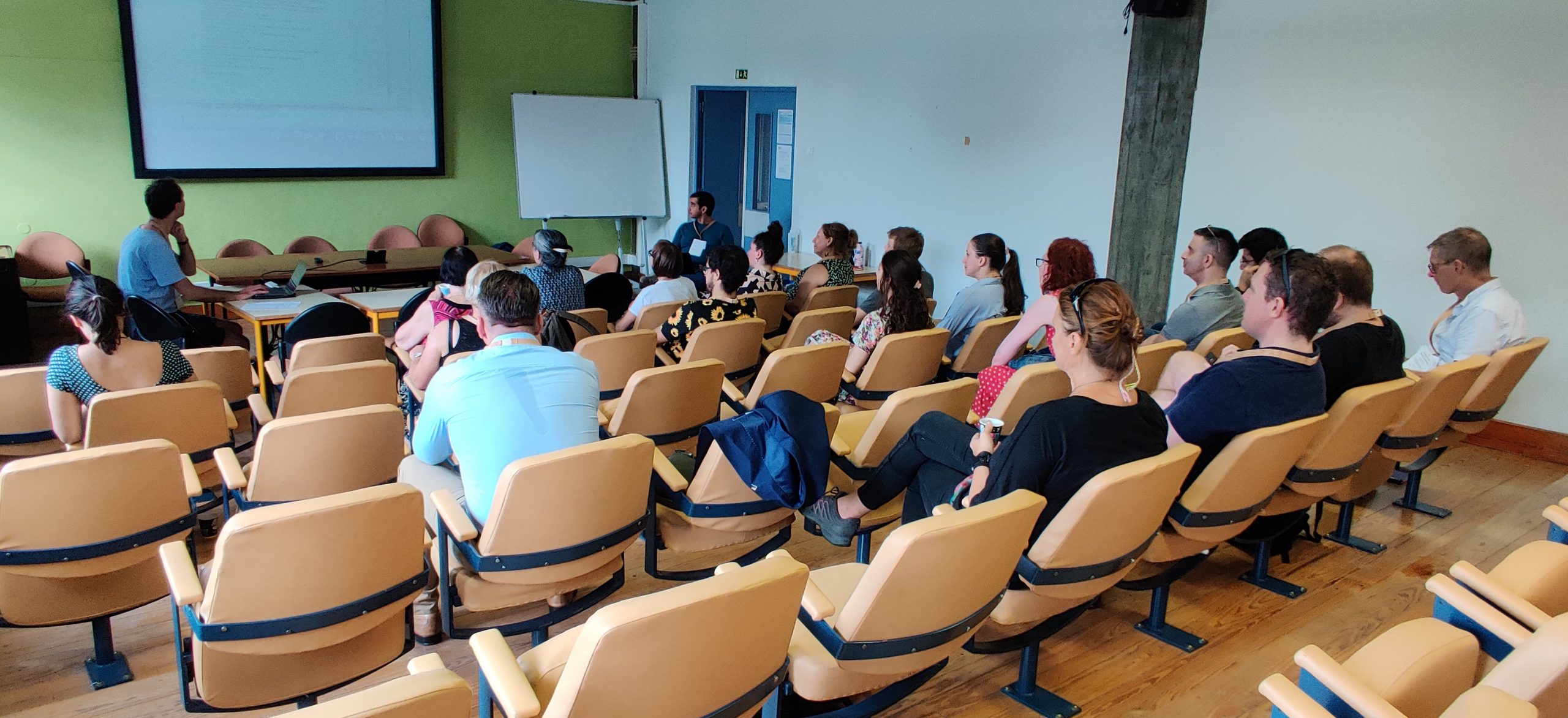
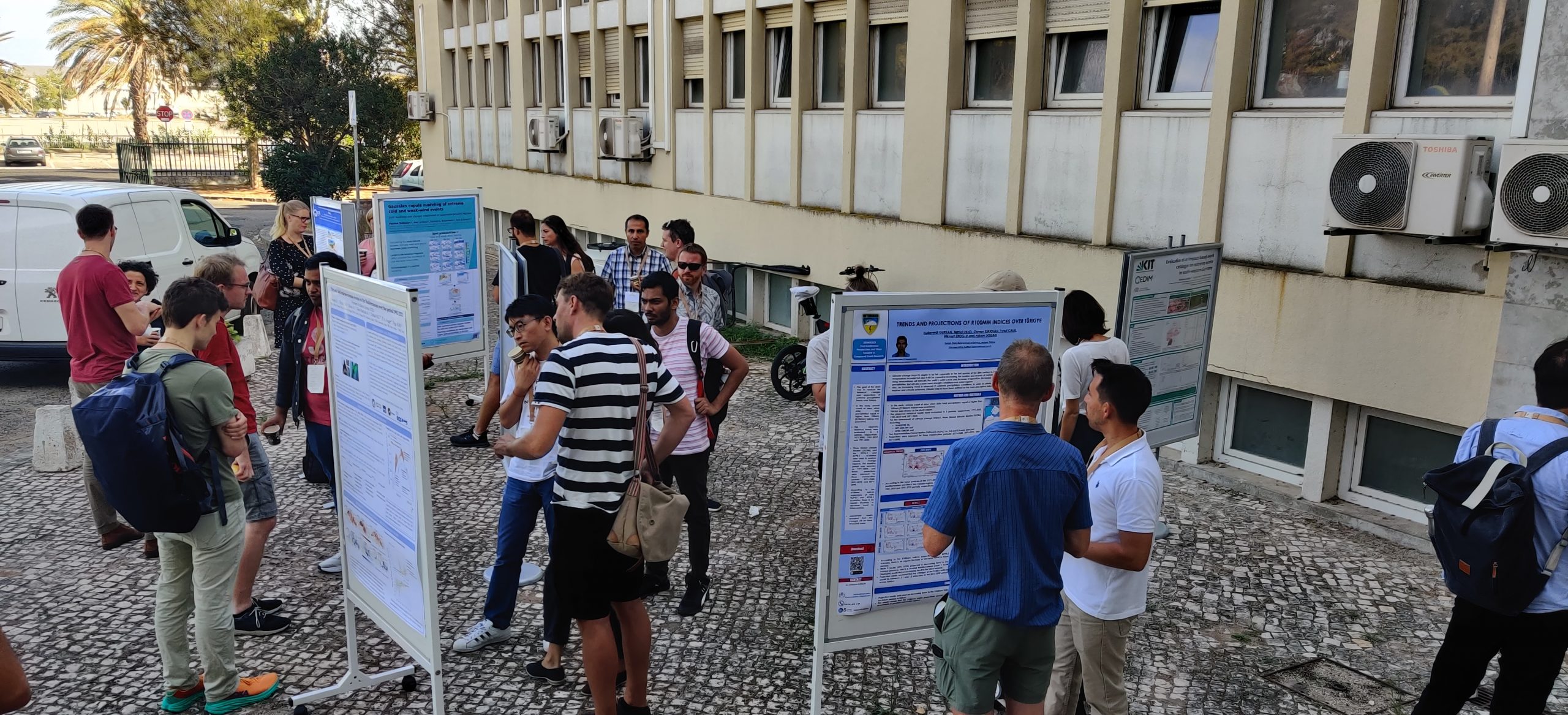
The final conference was held at the PMA (Instituto Português do Mar e da Atmosfera). I was part of the organising committee. Before the actual conference, the organising committee planned the programme, set the preparation timetable and evaluated the abstracts sent in. The accepted abstracts were divided into oral presentations and poster presentations. The conference had a total of five themes and ran from Tuesday to Thursday afternoon. On Wednesday morning, I chaired the session “The Drivers of Compound Events”. Posters were presented on Tuesday and Wednesday. I was able to experience my first ever poster session outdoors.
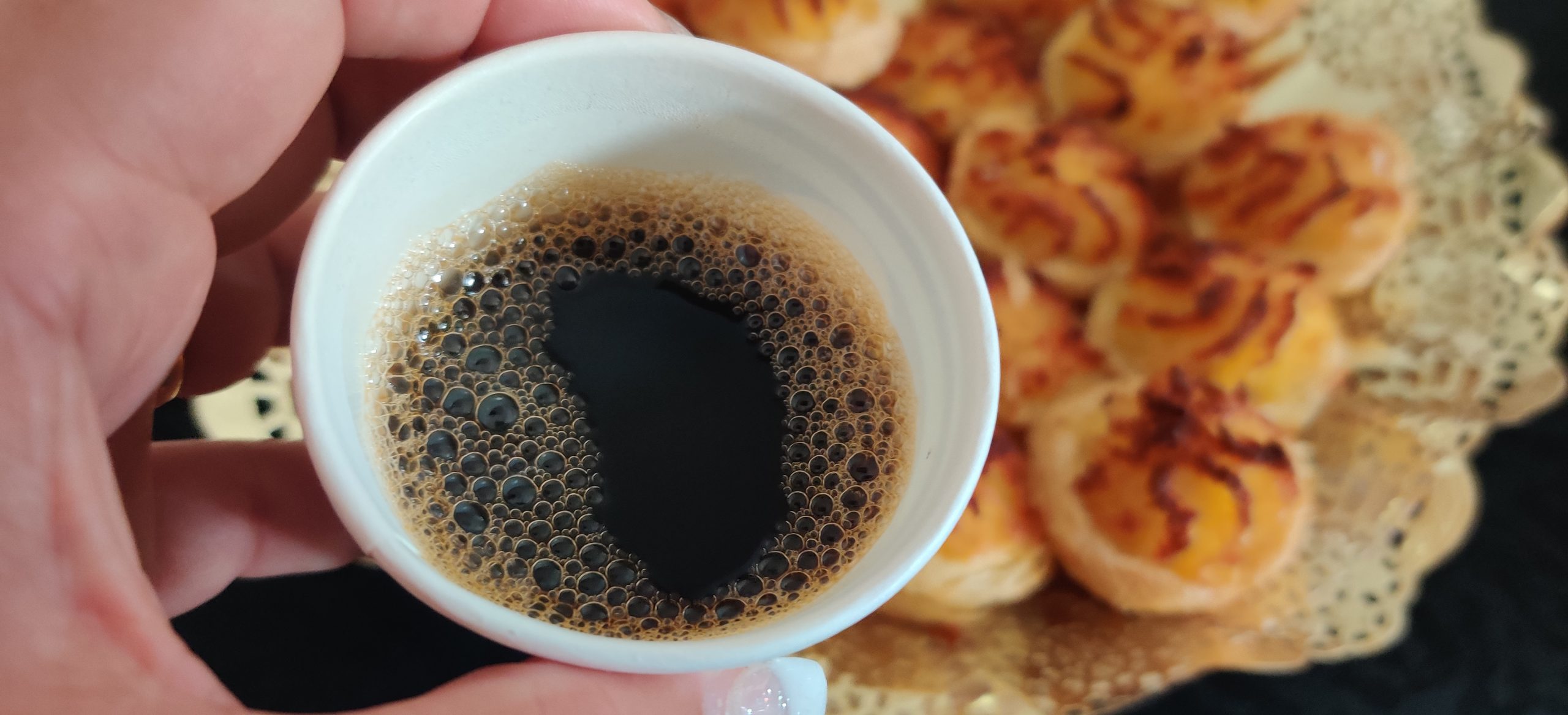
You learn something new every time you go to work. The social programme of the conference included breaks with a wide variety of Portuguese savoury and sweet snacks. I learned to drink coffee black because milk was not available. The conference dinner was in an atmospheric restaurant called Zambese, with a great view.
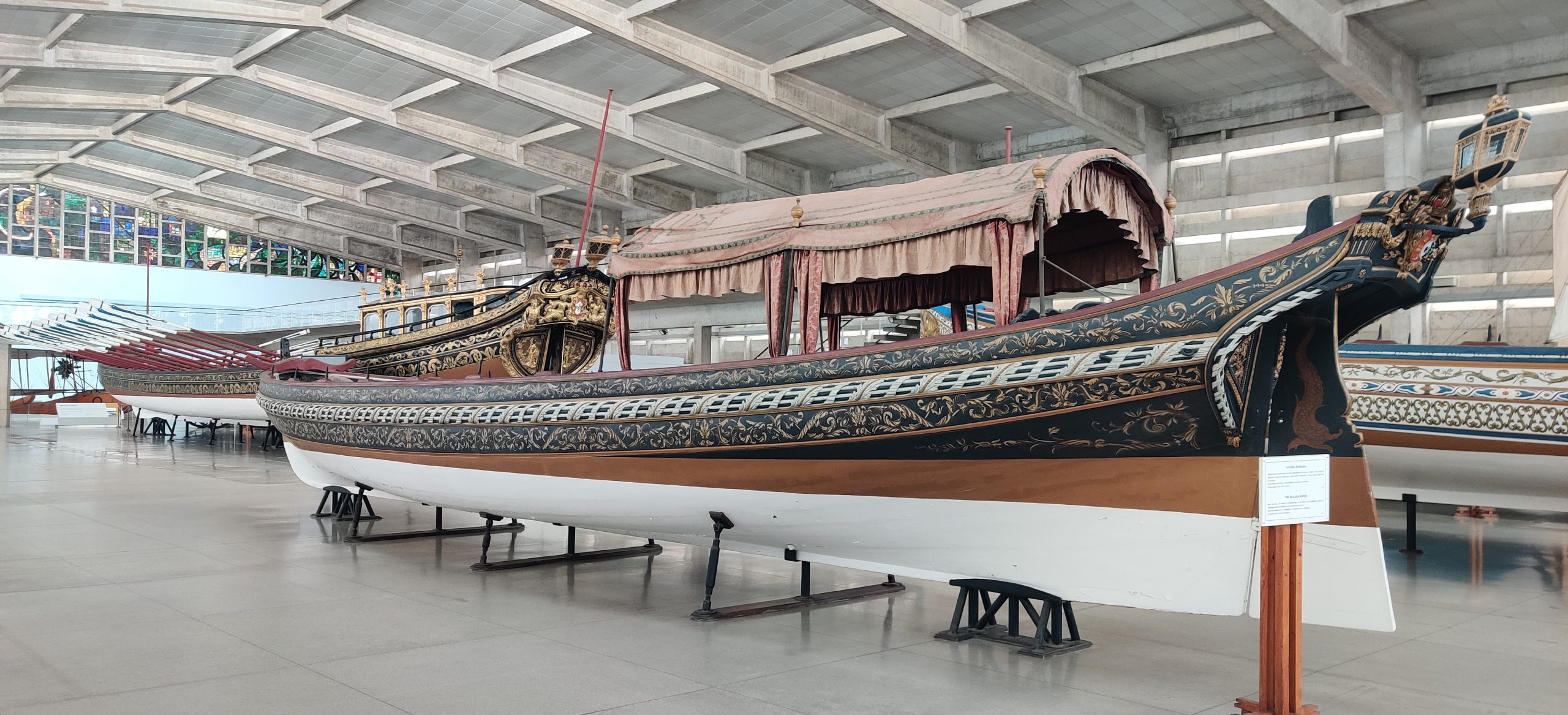
On the recommendation of my colleague Heikki Koivisto, I also went to Lisbon to discover the themes of maritime logistics. Lisbon is home to the European Maritime Safety Agency (EMSA). SAMK senior fellow Markku Mylly served as EMSA’s Director General from 2012 to 2017. I went to see the EMSA building on the riverside on Wednesday morning. On Thursday, after the conference, I visited the local maritime museum, Museu de Marinha. In the Maritime Museum was the rowing boat that had carried Queen Elizabeth II on her first visit to Portugal in 1957. A few hours later, I read on the YLE Newswatch app that the Queen had passed from time to eternity. The day will be remembered as a “Where were you when …” event.
It was a colorful and varied trip. Amidst the hundreds of years of Lisbon’s history, the individual feels small and her life is limited.
